
Practitioner conversations
Interviews focus on how educators observe movement, explain progress, and adapt language for real schedules. The aim is perspective, not endorsement of a particular service.
Navlin brings readers, educators, and curious neighbours into conversations about practical training, local spaces, and the questions that sit behind a routine.

People arrive at movement with different schedules, histories, preferences, and resources. A useful community conversation does not require everyone to train in the same way. It makes room for walking, cycling, strength practice, mobility work, rest, and the ordinary interruptions of work and family life. Navlin’s role is to provide clear information and listen carefully to what readers want explained.
We avoid ranking people or treating participation as proof of character. Shared practice can be as simple as comparing routes, discussing how to fit a session into a hot afternoon, or asking what a technical term means. Contributions are moderated for relevance, respect, and privacy. Readers should not post another person’s image, contact details, or personal story without permission.
Community makes a routine easier to understand because experience can be discussed without being turned into a contest.
Interviews focus on how educators observe movement, explain progress, and adapt language for real schedules. The aim is perspective, not endorsement of a particular service.
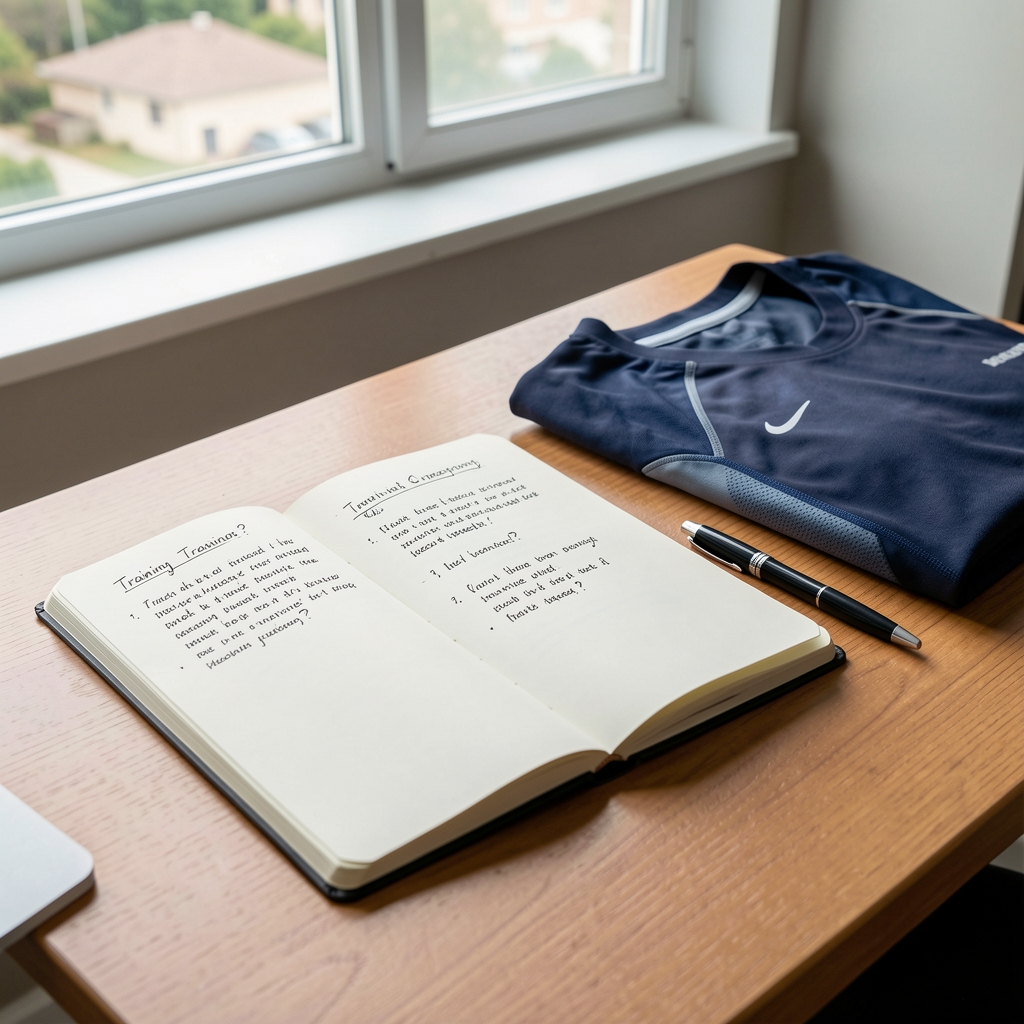
Questions submitted to the desk become prompts for explainers when they can be answered responsibly in general terms.
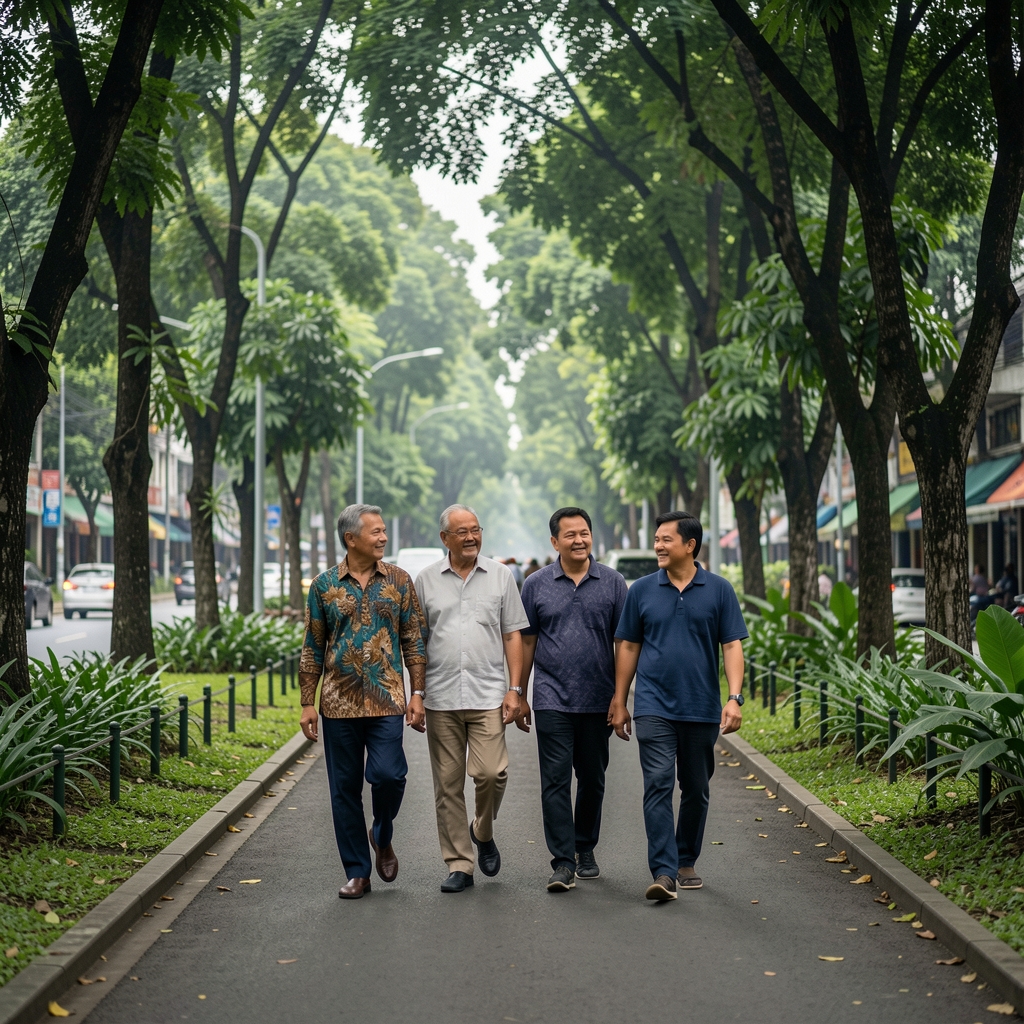
We note how weather, surfaces, public space, and time of day influence the way people experience ordinary activity.
| Format | What happens | Good preparation |
|---|---|---|
| Open desk | A moderated conversation around one topic | Bring one clear question and listen to other views |
| Reader note | A short observation considered for a future article | Remove private details and identify the context |
| Field walk | A shared route discussion focused on place and pacing | Choose comfortable clothing and a suitable public route |
| Contributor chat | An interview with an educator or researcher | Read the disclosure and source notes |
Reports are acknowledged within 7 calendar days and reviewed with a target response within 30 calendar days.
Our community pages are built around questions that invite observation rather than a single prescribed answer.
“What would make this routine easier to repeat next week?”
“Which part of the explanation is still unclear?”
“What does the local environment ask of the plan?”
For editorial questions, event ideas, or accessibility feedback, contact Navlin at Jalan Sudirman No. 18, Senayan, South Jakarta 12190, Indonesia, or call +62 21 7123 8945. Navlin does not provide emergency support through community channels.
People participate in different ways. One reader may want to speak about a route, while another may prefer to read the summary afterwards. A well-described event makes both options visible and avoids treating quiet participation as a lack of interest. We also consider language, travel time, seating, sound, heat, and the availability of a clear contact route.
Community material is reviewed for privacy and relevance before it becomes part of the public site. A contribution can be edited for clarity, shortened, or declined when publication would expose information that was not necessary to the discussion. Readers can ask for a correction or withdrawal of material they supplied, subject to records that must be retained for security or legal reasons.